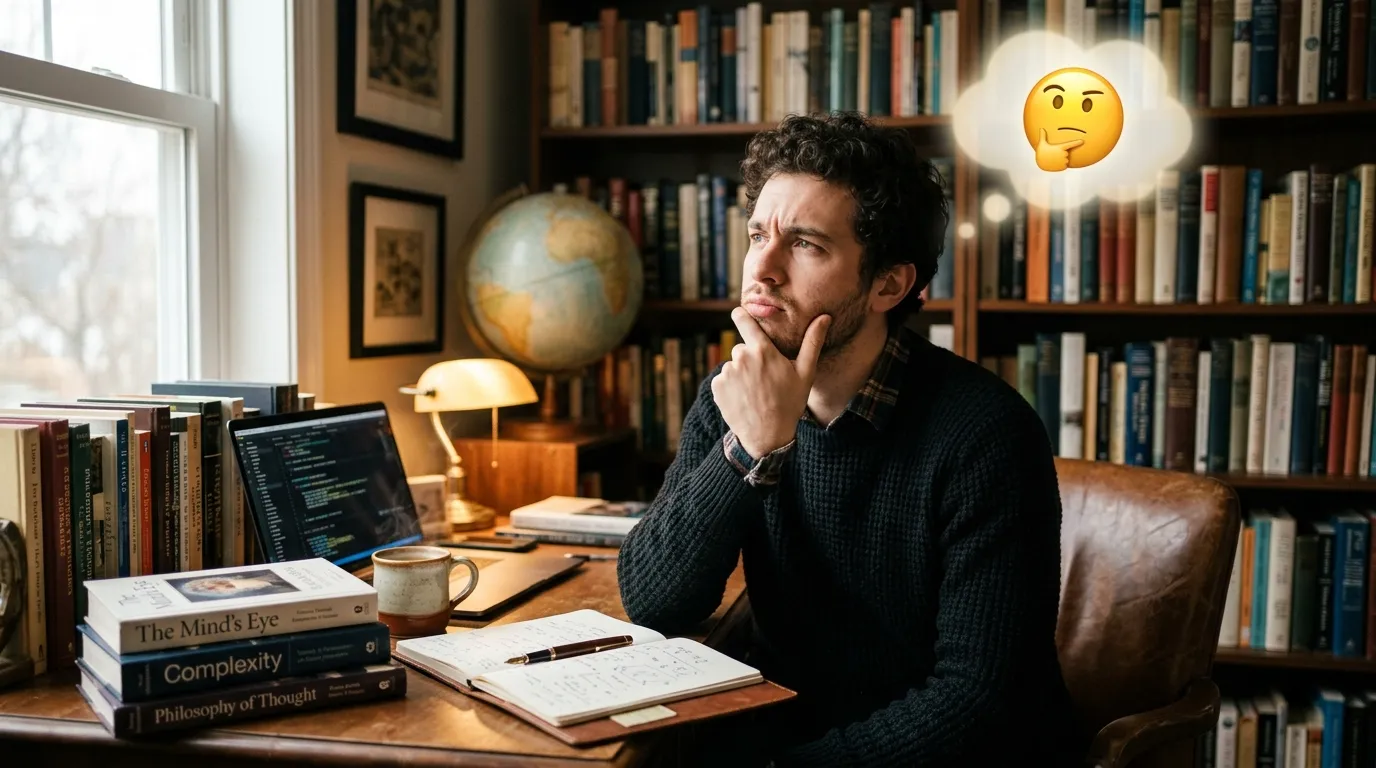
A single emoji can change the tone of an entire message, even when the words stay exactly the same.
Emoji interpretation is the process of understanding what an emoji communicates in a particular conversation. An emoji can express emotion, add emphasis, soften a statement, or create a playful tone. Its interpretation depends on the emoji itself, the surrounding words, the relationship between people, and sometimes the platform or culture.
The real meaning of an emoji often comes from the message around it, not the symbol alone.
What Is Emoji Interpretation?
Emoji interpretation means looking beyond an emoji’s basic or official description and considering how people actually use it. Emoji references consider factors such as historical design, intended meaning, common usage, alternative meanings, and differences between platforms.
For example, 😂 usually signals strong amusement, while 😏 can suggest teasing or confidence. However, the same symbol can take on a different tone when it appears beside different words.
| Emoji | Common interpretation | Possible context change | Example |
|---|---|---|---|
| 😂 | Strong laughter | Could be playful exaggeration | That was hilarious 😂 |
| ❤️ | Affection or care | Can be friendly or romantic | Thank you ❤️ |
| 😏 | Smirk or teasing | Can sound confident or playful | I knew it 😏 |
| 😭 | Intense emotion | Can also be humorous exaggeration | That is so funny 😭 |
| 👍 | Agreement or approval | Can sometimes feel brief or formal | Sounds good 👍 |
| 🙄 | Annoyance or sarcasm | May be playful between friends | Here we go again 🙄 |
😂 Face with Tears of Joy
Meaning: Strong amusement or laughter.
Example 1: That joke was hilarious 😂
Example 2: I cannot stop laughing 😂
❤️ Red Heart
Meaning: Affection, care, love, or emotional warmth.
Example 1: Thanks for helping me ❤️
Example 2: Have a great day ❤️
😏 Smirking Face
Meaning: A cheeky, knowing, confident, or teasing tone.
Example 1: I told you so 😏
Example 2: Maybe I already knew 😏
😭 Loudly Crying Face
Meaning: An intense emotional reaction that can also be used dramatically or humorously.
Example 1: That ending 😭
Example 2: You actually remembered 😭
👍 Thumbs Up
Meaning: Approval, agreement, acknowledgment, or encouragement.
Example 1: Sounds good 👍
Example 2: Great job 👍
🙄 Face with Rolling Eyes
Meaning: Disbelief, sarcasm, annoyance, or playful frustration.
Example 1: Not this again 🙄
Example 2: You really did that 🙄
How to Interpret Emojis in Messages
Start by reading the entire message instead of interpreting the emoji by itself. The words before and after the symbol can provide important clues about the sender’s tone. Research on emoji communication also emphasizes that emojis function alongside written language rather than completely replacing it.
Next, consider your relationship with the sender. A particular emoji between close friends may be an inside joke, while the same emoji in a formal conversation could seem unusual or ambiguous.
The platform can matter too. People develop different styles on WhatsApp, Instagram, TikTok, and other social platforms. Online communities can also give familiar emojis additional humorous, ironic, or slang meanings.
Do: Read the full message, consider the relationship, and look at nearby emojis.
Don’t: Assume that one emoji always has exactly one meaning.
Common Emoji Interpretation Examples — Copy & Paste
Happy
- 👉 That made my day 😂
- 👉 Thanks so much ❤️
- 👉 Great news! 👍
Playful
- 👉 I knew you would say that 😏
- 👉 You are too funny 😂
- 👉 Here we go again 🙄
Emotional
- 👉 I cannot believe it 😭
- 👉 Thank you for being there ❤️
- 👉 That was such a sweet message 😭
Sarcastic
- 👉 Sure, that sounds convincing 🙄
- 👉 Obviously I knew that 😏
- 👉 What a surprise 😂
Friendly
- 👉 Sounds good 👍
- 👉 See you soon ❤️
- 👉 That was hilarious 😂
Emoji Interpretation Trends in 2026
Emoji interpretation continues to change as online communities develop new ways to communicate humor, irony, and emotion. Current emoji references note that meanings can include common usage as well as alternative interpretations influenced by culture and platform context.
Younger users and content creators may use familiar emojis in intentionally exaggerated or ironic ways, while everyday messaging often keeps more straightforward interpretations. Because these patterns evolve, the surrounding conversation remains one of the best clues.
| Emoji | Common online use | Context to consider | Popular settings |
| 😂 | Humor and strong laughter | Joke or reaction | Social media, chats |
| 😭 | Dramatic emotion or humor | Serious vs. exaggerated tone | Social media, messaging |
| 😏 | Teasing or confidence | Relationship and wording | Chats, comments |
| 🙄 | Sarcasm or frustration | Playful vs. serious annoyance | Chats, comments |
Emoji meanings continue to develop as people adapt familiar symbols to new forms of humor, conversation, and online expression.
FAQ
1. What is emoji interpretation?
Emoji interpretation means understanding what an emoji communicates within a particular message. Context, wording, relationships, and cultural habits can all affect the reading.
2. Can one emoji have multiple meanings?
Yes. An emoji can have a straightforward meaning as well as humorous, sarcastic, ironic, or context-specific uses.
3. Why can the same emoji feel different in different messages?
The surrounding words and relationship between the sender and recipient can change the tone. The same emoji may feel friendly in one conversation and sarcastic in another.
4. Do iPhone and Android emojis mean different things?
The underlying emoji character is standardized, but Apple, Google, Samsung, and other platforms can display it using different artwork. Those visual differences can sometimes affect how people perceive an emoji.
Understanding emoji interpretation is less about memorizing a fixed dictionary and more about noticing context.
When you read the words, relationship, tone, and emoji together, it becomes easier to understand what a message is trying to communicate.
Meta Description: Emoji interpretation explained with common meanings, examples, and context tips. Learn how to understand emojis in texts, chats, captions, and social media.